
Shingrix Vaccine: Proven 97% Zoster Reduction
An evidence synthesis of recombinant zoster vaccine efficacy, the ACIP 2021 expansion to immunocompromised adults aged 19 and older, co-administration with influenza and RSV vaccines, and post-herpetic neuralgia prevention for family medicine practice.
One-Minute Takeaway on Shingrix Vaccine
One-Minute Takeaway
- The Shingrix vaccine demonstrated a vaccine efficacy of 97.2% against herpes zoster in immunocompetent adults aged 50 to 69 in the pivotal ZOE-50 trial, with 91.3% efficacy in adults 70 and older in ZOE-70.
- ACIP recommended the two-dose recombinant zoster vaccine for immunocompetent adults aged 50 and older in 2017 and expanded the recommendation in October 2021 to include immunocompromised adults aged 19 and older.
- Co-administration with seasonal influenza vaccine, PPSV23, Tdap, PCV13, and mRNA COVID-19 vaccines is supported by non-inferior immunogenicity data; phase 3 data in 2024 also supported co-administration with the RSV vaccine Arexvy.
- The Shingrix vaccine prevents post-herpetic neuralgia with vaccine efficacy of approximately 91% across the pivotal trials, addressing the most disabling complication of herpes zoster.
- Reactogenicity is substantial — grade 3 local or systemic reactions occur in roughly one in ten recipients — but counseling improves second-dose completion and overall acceptability.
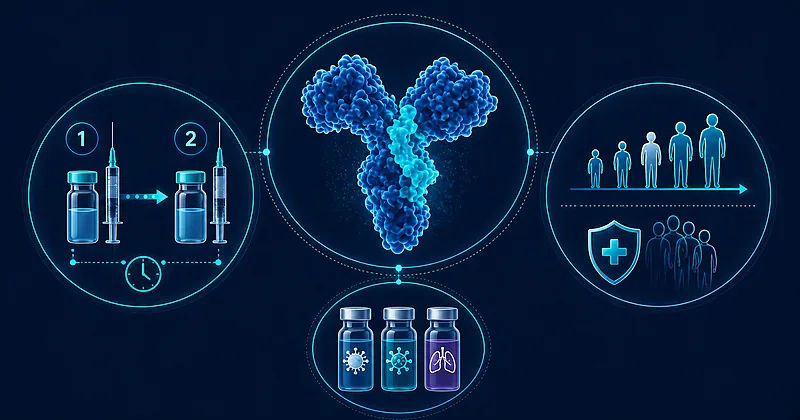
Why Shingrix Vaccine Implementation Matters in Family Medicine
Approximately one in three adults will develop herpes zoster during their lifetime, and incidence rises sharply with age and with immunosuppression. Post-herpetic neuralgia — the most common and most disabling complication — affects roughly 10–18% of adults with zoster and considerably more in older patients, often producing pain that persists for months or years.
The Shingrix vaccine has fundamentally reshaped this landscape. Since the live-attenuated zoster vaccine Zostavax was discontinued in the United States in 2020, the Shingrix vaccine is the only herpes zoster vaccine available to American adults, and it offers substantially higher and more durable efficacy than the agent it replaced.
The October 2021 ACIP expansion to immunocompromised adults aged 19 and older was a particularly consequential shift. Approximately 7 million Americans live with immunocompromising conditions, and zoster incidence in this group is meaningfully elevated. Family physicians are now central to identifying eligible patients, scheduling the two-dose series, and managing co-administration with the growing list of recommended adult vaccines.
What Evidence Was Reviewed
This synthesis of Shingrix vaccine evidence draws on the two pivotal phase 3 randomized controlled trials in immunocompetent adults (ZOE-50 and ZOE-70), randomized data in immunocompromised populations (ZOE-HSCT, ZOE-NHL), the long-term follow-up extension trial, ACIP recommendation statements anchoring US clinical practice, randomized co-administration studies with influenza, pneumococcal, Tdap, COVID-19, and RSV vaccines, real-world post-licensure effectiveness data, and pooled safety analyses. Studies are anchored to randomized evidence first.
| Study (Year) | Design | Population | n | Key Endpoint | Result |
|---|---|---|---|---|---|
| Lal / ZOE-50 (2015) | Phase 3 RCT | Adults ≥50 yrs, immunocompetent | 15,411 | VE against herpes zoster | 97.2% (95% CI 93.7–99.0) |
| Cunningham / ZOE-70 (2016) | Phase 3 RCT | Adults ≥70 yrs, immunocompetent | 13,900 | VE against herpes zoster | 91.3% (95% CI 86.8–94.5) |
| Pooled ZOE-50/ZOE-70 | Pooled analysis | Adults ≥70 yrs | 16,596 | VE against post-herpetic neuralgia | 88.8% (95% CI 68.7–97.1) |
| Bastidas / ZOE-HSCT (2019) | Phase 3 RCT | Autologous HSCT recipients ≥18 yrs | 1,846 | VE against herpes zoster | 68.2% (95% CI 55.6–77.5) |
| Dagnew / ZOE-NHL (2019) | Phase 3 RCT, post-hoc efficacy | Hematologic malignancies | 562 | VE against herpes zoster | 87.2% (95% CI 44.3–98.6) post-hoc |
| Strezova ZOSTER-049 (2022) | Long-term follow-up | ZOE-50/ZOE-70 vaccinees | 7,277 | VE durability through ~10 years | 89% in year 8; sustained protection |
| Dooling ACIP (2018) | Clinical practice recommendation | Immunocompetent adults ≥50 yrs | — | Recommendation strength | Strong recommendation, GRADE |
| Anderson ACIP (2022) | Clinical practice recommendation | Immunocompromised adults ≥19 yrs | — | Recommendation strength | Recommended, GRADE-evaluated |
| Schwarz Co-admin Influenza (2017) | Open-label RCT | Adults ≥50 yrs | 413 | Immunogenicity vs sequential | Non-inferior immune response |
| Dennis Co-admin RSV (2024) | Phase 3 open-label RCT | Adults ≥50 yrs | 530 | Immunogenicity vs sequential | Non-inferior anti-gE and RSV titers |
| Izurieta Real-World (2021) | Medicare claims cohort | US adults ≥65 yrs | 4.8 million | Effectiveness against zoster | ~70% with two doses post-licensure |
| Lopez-Fauqued Safety (2019) | Pooled phase 3 safety analysis | ZOE-50 + ZOE-70 vaccinees | 17,041 | Reactogenicity, SAEs | Grade 3 reactions ~10%; no SAE imbalance |
Key Findings From Shingrix Vaccine Trials and Real-World Data
Efficacy in Immunocompetent Adults Is Robustly High Across Age Strata
The pivotal ZOE-50 trial randomized 15,411 immunocompetent adults aged 50 and older to two doses of the Shingrix vaccine versus placebo, demonstrating a vaccine efficacy of 97.2% (95% CI 93.7–99.0) against herpes zoster. ZOE-70, with 13,900 adults aged 70 and older, showed 91.3% efficacy (95% CI 86.8–94.5).
This Shingrix vaccine protection is markedly higher than the approximately 50% efficacy seen with the now-discontinued live-attenuated zoster vaccine. Long-term follow-up in the ZOSTER-049 extension trial demonstrated sustained efficacy of approximately 89% in year 8 after vaccination, indicating durable protection from the Shingrix vaccine over at least a decade in immunocompetent adults.
Efficacy in Immunocompromised Populations Is Moderate to High
The ZOE-HSCT trial randomized 1,846 autologous hematopoietic stem cell transplant recipients and demonstrated vaccine efficacy of 68.2% (95% CI 55.6–77.5) against herpes zoster. In post-hoc efficacy analyses, the Shingrix vaccine showed 87.2% efficacy in patients with hematologic malignancies and 90.5% in those with potential immune-mediated diseases.
Real-world data from the Shingrix vaccine post-licensure period support these findings. Effectiveness studies in cohorts of patients with inflammatory bowel disease, solid tumor malignancies, and renal transplant recipients have consistently shown clinically meaningful reductions in herpes zoster incidence, although effect sizes are generally lower than in immunocompetent populations.
ACIP 2021 Expansion Brought the Shingrix Vaccine to Immunocompromised Adults Aged 19+
In October 2021, ACIP recommended two doses of the Shingrix vaccine for the prevention of herpes zoster and related complications in adults aged 19 years and older who are or will be immunodeficient or immunosuppressed because of disease or therapy. This was the first herpes zoster vaccine approved for use in immunocompromised persons.
Eligible groups specifically include hematopoietic stem cell transplant recipients, hematologic malignancies, solid organ transplant recipients, solid tumor malignancies, HIV, primary immunodeficiencies, autoimmune conditions, and patients receiving immunosuppressive medications or therapies. Vaccination is preferred before immunosuppression begins where feasible and timed to align with periods of relatively preserved immune response.
Two-Dose Schedule and Timing Considerations Differ by Population
For immunocompetent adults, the standard Shingrix vaccine schedule is two intramuscular doses given 2 to 6 months apart. For immunocompromised adults who would benefit from a shorter interval — typically to complete the series before more intense immunosuppression — the second dose may be given 1 to 2 months after the first.
Patients with a history of herpes zoster remain candidates for the Shingrix vaccine after the acute episode resolves, although optimal timing relative to the zoster episode is not precisely defined by trial data. Patients previously vaccinated with the live-attenuated zoster vaccine should receive the full two-dose recombinant zoster vaccine series.
Co-Administration With Influenza, RSV, and Other Adult Vaccines Is Supported
Randomized co-administration studies of the Shingrix vaccine with several routine adult vaccines and consistently demonstrated non-inferior immunogenicity. Studies covered seasonal inactivated influenza vaccine, 23-valent pneumococcal polysaccharide vaccine, reduced-antigen Tdap, 13-valent pneumococcal conjugate vaccine, and an mRNA COVID-19 vaccine.
A phase 3 study of 530 adults aged 50 and older presented in September 2024 evaluated co-administration with the RSV prefusion F protein vaccine Arexvy. Both anti-glycoprotein E antibody concentrations and RSV-A and RSV-B neutralization titers met non-inferiority criteria when the two vaccines were given at the same visit compared with sequential administration.
Post-Herpetic Neuralgia Prevention Is Robust
In the pooled ZOE-50 and ZOE-70 analysis of adults aged 70 and older, the Shingrix vaccine showed efficacy of 88.8% (95% CI 68.7–97.1) against post-herpetic neuralgia. In ZOE-50, efficacy against post-herpetic neuralgia was 91.2%. These figures matter because post-herpetic neuralgia is the most common and most disabling complication of herpes zoster.
Reactogenicity is the principal trade-off. Grade 3 local or systemic reactions occur in approximately 10% of recipients in pooled phase 3 safety data, and patients should be counseled on expected day-after symptoms. Importantly, serious adverse events were balanced between vaccine and placebo arms in the pivotal trials.
Clinical Pearl. The most preventable second-dose drop-off with the Shingrix vaccine comes from inadequate first-visit counseling on reactogenicity. Patients who are warned that day-after fatigue and arm pain are expected — and that the second dose is essential for the protection figures cited above — return for completion at higher rates than patients who are surprised by the reaction.
Quality and Consistency of the Evidence
The Shingrix evidence base is unusually strong for an adult vaccine. The pivotal trials enrolled large numbers of participants, used randomized double-blind designs, and demonstrated effects so large that confidence intervals are tight despite the relatively low background event rate. Real-world post-licensure data have largely replicated trial findings.
What the Evidence Does Not Show
Specific Gaps in the Shingrix Evidence Base
- Long-term efficacy of the Shingrix vaccine beyond approximately 10 years is not yet established; whether booster dosing will eventually be needed remains unanswered.
- Optimal timing of vaccination relative to specific immunosuppressive regimens (anti-CD20 antibodies, JAK inhibitors, BTK inhibitors, certain biologics) is not fully characterized in randomized data.
- Efficacy data in pregnancy and lactation are limited; current ACIP guidance recommends delaying vaccination until after pregnancy.
- Direct head-to-head trials of accelerated (1–2 month) versus standard (2–6 month) dosing intervals on long-term efficacy outcomes are limited.
- Comparative effectiveness data for specific immunocompromised subgroups (e.g., solid organ transplant on calcineurin inhibitors versus biologics) are heterogeneous and largely observational.
- Real-world data on the frequency, safety, and necessity of revaccination after a herpes zoster episode in vaccinated adults are limited.
Closing these gaps will require ongoing post-licensure surveillance, randomized trials of dose timing in specific immunocompromised populations, and prospective registries of revaccination decisions. ACIP continues to monitor the evidence base and may update guidance as new data emerge.
Practical Implications for Shingrix Vaccine Use in Family Medicine
Based on the current evidence, the family physician’s task is to identify all eligible patients, schedule the two-dose series, address reactogenicity expectations proactively, and integrate the Shingrix vaccine with other routine adult immunizations efficiently. The four cards below describe what the evidence supports rather than directive prescribing rules.
Evidence Supports Vaccination of All Eligible Adults 50+
The Shingrix vaccine is endorsed by ACIP for all immunocompetent adults aged 50 and older. Evidence supports systematic offering of the two-dose series at routine visits, with electronic health record prompts to identify unvaccinated eligible patients.
Immunocompromised Adults Aged 19+ Are Now Eligible
The 2021 ACIP expansion broadened eligibility to immunocompromised adults aged 19 and older. Evidence supports vaccination before immunosuppression begins where feasible and use of the accelerated 1–2 month dosing interval when needed.
Co-Administration Is Supported and Reduces Visits
Evidence supports same-visit Shingrix vaccine co-administration with influenza, PPSV23, Tdap, PCV13, mRNA COVID-19, and RSV vaccines without immunogenicity concerns. Co-administration reduces logistical barriers to series completion.
Reactogenicity Counseling Improves Series Completion
Approximately 10% of recipients experience grade 3 local or systemic reactions. Evidence supports proactive counseling that day-after symptoms are expected and self-limited, and that the second dose is essential to achieve trial-level efficacy.
The 2021 ACIP recommendation applies to adults aged 19 and older with conditions or therapies that produce immunodeficiency or immunosuppression. Eligible populations include but are not limited to:
- Hematopoietic stem cell transplant recipients (autologous and allogeneic).
- Solid organ transplant recipients (kidney, liver, heart, lung).
- Hematologic malignancies (leukemia, lymphoma, myeloma).
- Solid tumor malignancies on active treatment.
- HIV infection.
- Primary immunodeficiencies.
- Autoimmune conditions on immunosuppressive therapy (e.g., rheumatoid arthritis on biologics or JAK inhibitors, inflammatory bowel disease on biologics, lupus on immunosuppressants).
- Chronic corticosteroid use at immunosuppressive doses.
Vaccination should ideally precede planned immunosuppression. When this is not possible, timing should be aligned with periods of relatively preserved immune response and discussed in coordination with the specialty team where applicable.
Effective Shingrix vaccine counseling can typically be delivered in under three minutes:
- Why. Roughly one in three adults develops shingles; the recombinant zoster vaccine reduces that risk by approximately 97% in adults 50–69 and 91% in adults 70 and older.
- Two doses, not one. Both doses are essential; protection figures come from completing the series.
- Reactogenicity is real but transient. About one in ten recipients has a substantial reaction (sore arm, fatigue, body aches, sometimes fever) for one to two days. This is the immune system responding, not an allergic reaction.
- Co-administration. The vaccine can be given at the same visit as flu, RSV, COVID-19, pneumococcal, or Tdap vaccines if indicated.
- Post-herpetic neuralgia. The most disabling complication of shingles is persistent nerve pain; the vaccine reduces this risk by approximately 91%.
Several scenarios merit specific consideration:
- Active herpes zoster. Defer vaccination until the acute episode has resolved; the Shingrix vaccine is not a treatment for shingles.
- Prior shingles. Patients with a history of zoster remain candidates after the acute episode resolves; recurrence risk persists.
- Prior Zostavax. Patients previously vaccinated with the live-attenuated zoster vaccine should receive the full two-dose recombinant zoster vaccine series.
- Pregnancy. No ACIP recommendation for use in pregnancy; consider delaying until after pregnancy.
- Breastfeeding. No known risk; clinicians may consider vaccination if otherwise indicated.
- Severe allergic reaction to any component of the Shingrix vaccine is a contraindication.
- Moderate or severe acute illness warrants deferral until symptoms resolve.
Evidence Grade and Bottom Line
Evidence Grade — Strong (efficacy in immunocompetent adults aged 50 and older); Moderate (efficacy across immunocompromised subgroups, real-world effectiveness, co-administration safety); Limited (long-term efficacy beyond 10 years, optimal timing relative to specific immunosuppressive regimens). The strength of randomized evidence supporting the Shingrix vaccine is exceptional among adult vaccines.
Bottom Line
- The Shingrix vaccine demonstrated 97.2% efficacy in adults aged 50 to 69 and 91.3% in adults 70 and older in the pivotal phase 3 trials, with sustained protection of approximately 89% at 8 years post-vaccination.
- The 2021 ACIP expansion brought the recommendation to immunocompromised adults aged 19 and older, with moderate to high efficacy across hematopoietic transplant, hematologic malignancy, and immune-mediated disease populations.
- Co-administration with influenza, RSV, pneumococcal, Tdap, and COVID-19 vaccines is supported by non-inferior immunogenicity and offers a practical means to reduce missed opportunities in primary care.
- Post-herpetic neuralgia — the most disabling complication of zoster — is reduced by approximately 91% across pivotal trials, addressing a long-standing Shingrix vaccine target in adult preventive care.
- Reactogenicity is meaningful but predictable; counseling improves second-dose completion. Long-term efficacy beyond a decade and optimal timing in specific immunosuppressive regimens remain areas where data are still maturing.
Article Information and References
For Educational Purposes Only. This is an original evidence synthesis informed by the studies listed below. It does not replace clinical judgement. Drug dosages should be verified against current prescribing information.
References
- Lal H, Cunningham AL, Godeaux O, et al. Efficacy of an adjuvanted herpes zoster subunit vaccine in older adults. N Engl J Med. 2015;372(22):2087–2096. (ZOE-50). DOI: 10.1056/NEJMoa1501184
- Cunningham AL, Lal H, Kovac M, et al. Efficacy of the Herpes Zoster Subunit Vaccine in Adults 70 Years of Age or Older. N Engl J Med. 2016;375(11):1019–1032. (ZOE-70). DOI: 10.1056/NEJMoa1603800
- Bastidas A, de la Serna J, El Idrissi M, et al. Effect of Recombinant Zoster Vaccine on Incidence of Herpes Zoster After Autologous Stem Cell Transplantation: A Randomized Clinical Trial. JAMA. 2019;322(2):123–133. (ZOE-HSCT). DOI: 10.1001/jama.2019.9053
- Dagnew AF, Ilhan O, Lee WS, et al. Immunogenicity and safety of the adjuvanted recombinant zoster vaccine in adults with haematological malignancies: a phase 3, randomised, clinical trial and post-hoc efficacy analysis. Lancet Infect Dis. 2019;19(9):988–1000. DOI: 10.1016/S1473-3099(19)30163-X
- Dooling KL, Guo A, Patel M, et al. Recommendations of the Advisory Committee on Immunization Practices for Use of Herpes Zoster Vaccines. MMWR Morb Mortal Wkly Rep. 2018;67(3):103–108. DOI: 10.15585/mmwr.mm6703a5
- Anderson TC, Masters NB, Guo A, et al. Use of Recombinant Zoster Vaccine in Immunocompromised Adults Aged ≥19 Years: Recommendations of the Advisory Committee on Immunization Practices — United States, 2022. MMWR Morb Mortal Wkly Rep. 2022;71(3):80–84. DOI: 10.15585/mmwr.mm7103a2
- Strezova A, Diez-Domingo J, Al Shawafi K, et al. Long-term Protection Against Herpes Zoster by the Adjuvanted Recombinant Zoster Vaccine: Interim Efficacy, Immunogenicity, and Safety Results up to 10 Years After Initial Vaccination. Open Forum Infect Dis. 2022;9(10):ofac485. DOI: 10.1093/ofid/ofac485
- Lopez-Fauqued M, Co-Van der Mee R, Bastidas A, et al. Safety profile of the adjuvanted recombinant zoster vaccine: pooled analysis of two large randomised phase 3 trials. Vaccine. 2019;37(18):2482–2493. DOI: 10.1016/j.vaccine.2019.03.043
- Izurieta HS, Wu X, Forshee R, et al. Recombinant zoster vaccine (Shingrix): real-world effectiveness in the first 2 years post-licensure. Clin Infect Dis. 2021;73(6):941–948. DOI: 10.1093/cid/ciab125
- Schwarz TF, Volpe S, Catteau G, et al. Coadministration of the adjuvanted recombinant zoster vaccine and seasonal inactivated influenza vaccine in adults aged ≥50 years: a randomized trial. Hum Vaccin Immunother. 2017;13(8):1858–1868. DOI: 10.1080/21645515.2017.1313374
- Levin MJ, Buchwald UK, Gardner J, et al. Co-administration of the adjuvanted recombinant zoster vaccine with other adult vaccines: An overview. Vaccine. 2024;42(8):1971–1980. DOI: 10.1016/j.vaccine.2024.02.010
- Khan N, Wang L, Trivedi C, et al. Efficacy of recombinant zoster vaccine in patients with inflammatory bowel disease. Clin Gastroenterol Hepatol. 2022;20(8):1570–1578. DOI: 10.1016/j.cgh.2021.07.023
- Centers for Disease Control and Prevention. Clinical Considerations for Use of Recombinant Zoster Vaccine (RZV, Shingrix) in Immunocompromised Adults Aged ≥19 Years. Atlanta, GA: CDC; 2024. Available: https://www.cdc.gov/shingles/hcp/vaccine-considerations/immunocompromised-adults.html